


Coordination: the decisive capability in European infrastructure.
Capital and capability are both available. What decides outcomes is the discipline to make them work together across borders, regulators and supply chains.
Across European infrastructure, energy and sustainability, the binding constraint is rarely money or engineering talent. Both can be sourced. What is hard to assemble is the coordination that holds finance, regulation, procurement and delivery to a single line — across more than one market and more than one stakeholder.
A project fails not because no one could build it, but because the parts were never brought together under one centre. The contractor optimises for its scope, the financier for its risk, the regulator for its mandate. Without a centre, these pull apart — quietly at first, then all at once.
Where programmes come apart
The failure is rarely dramatic. A permit arrives later than the financing assumed; a supplier’s lead time slips past the window the contractor priced; a design change satisfies the regulator but breaks the commercial model. Each decision is reasonable in its own frame. Together they erode the programme from inside.
Cross-border work multiplies the frames. Each market brings its own permitting rhythm, contracting conventions and stakeholders, and each adds an interface where responsibility can fall between parties.
What a centre does
London Arena sits at that centre, holding the architecture of the investment; the work on site is delivered, under its direction, by the specialists best placed to do it — structured, contracted and sequenced so the whole holds.
In practice that means one investment thesis that every party signs up to, one schedule against which finance, permitting and procurement are sequenced, and one line of accountability when something moves. Decisions are taken where the whole programme is visible, and reach the field the same day.
Coordination is not overhead. On a cross-border programme, it is the difference between a plan and a result.
More perspectives.
1 October 2026 · 2 min read
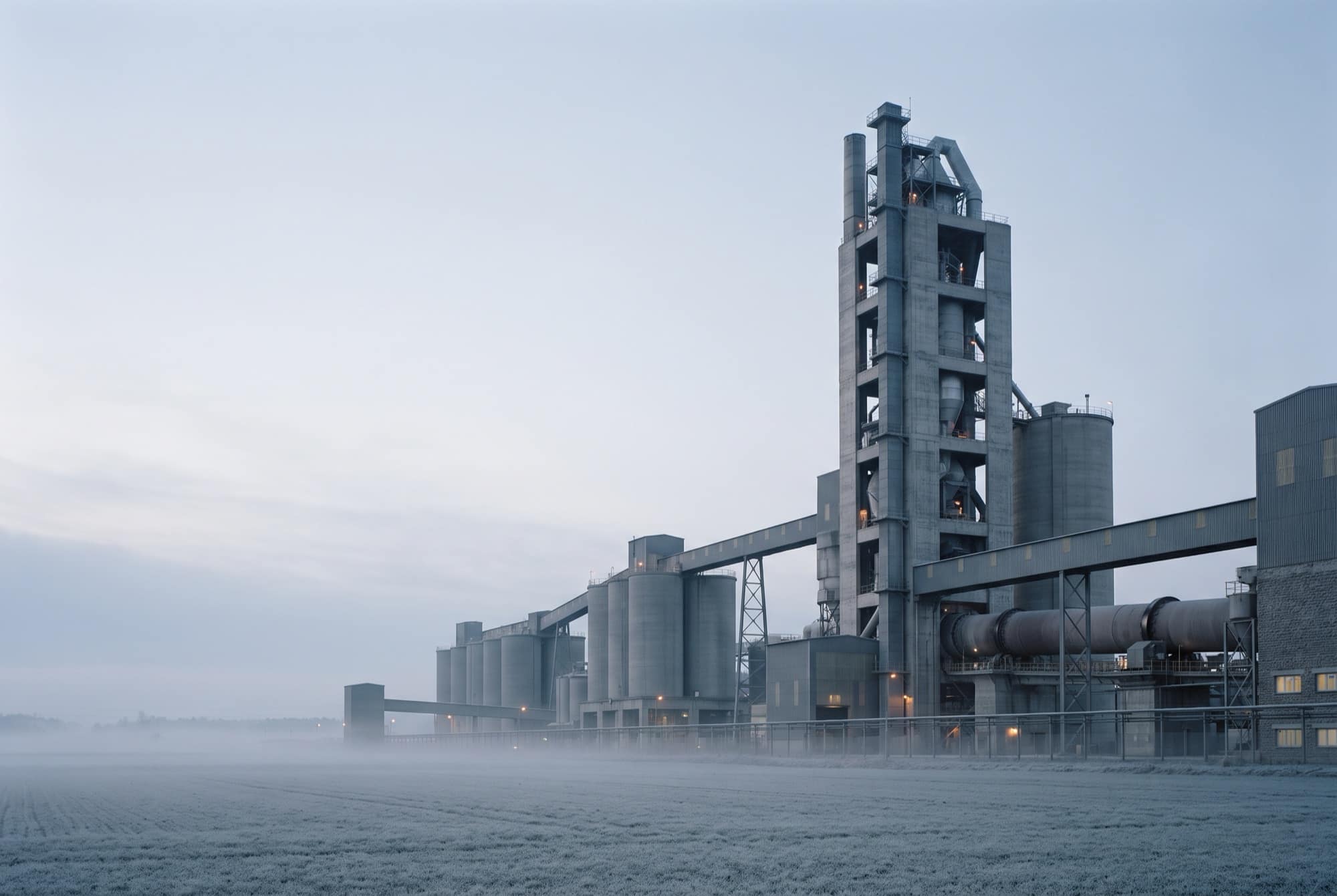
CBAM’s definitive period: carbon is now part of the price.
Since January 2026, the emissions embedded in steel, aluminium, cement and fertilisers entering the EU carry a cost. For exporters, the question is no longer whether to measure carbon, but how well.
Read
22 May 2026 · 2 min read
Structure before commitment.
Most projects are won or lost before the first commitment is made. Structuring is where risk is priced out — or quietly built in.
Read
30 April 2026 · 2 min read
Sustainability is an investment arena, not a compliance cost.
Treated as a compliance cost, sustainability is a drag. Treated as an investment arena, it is where some of the most durable returns are now being structured.
Read