


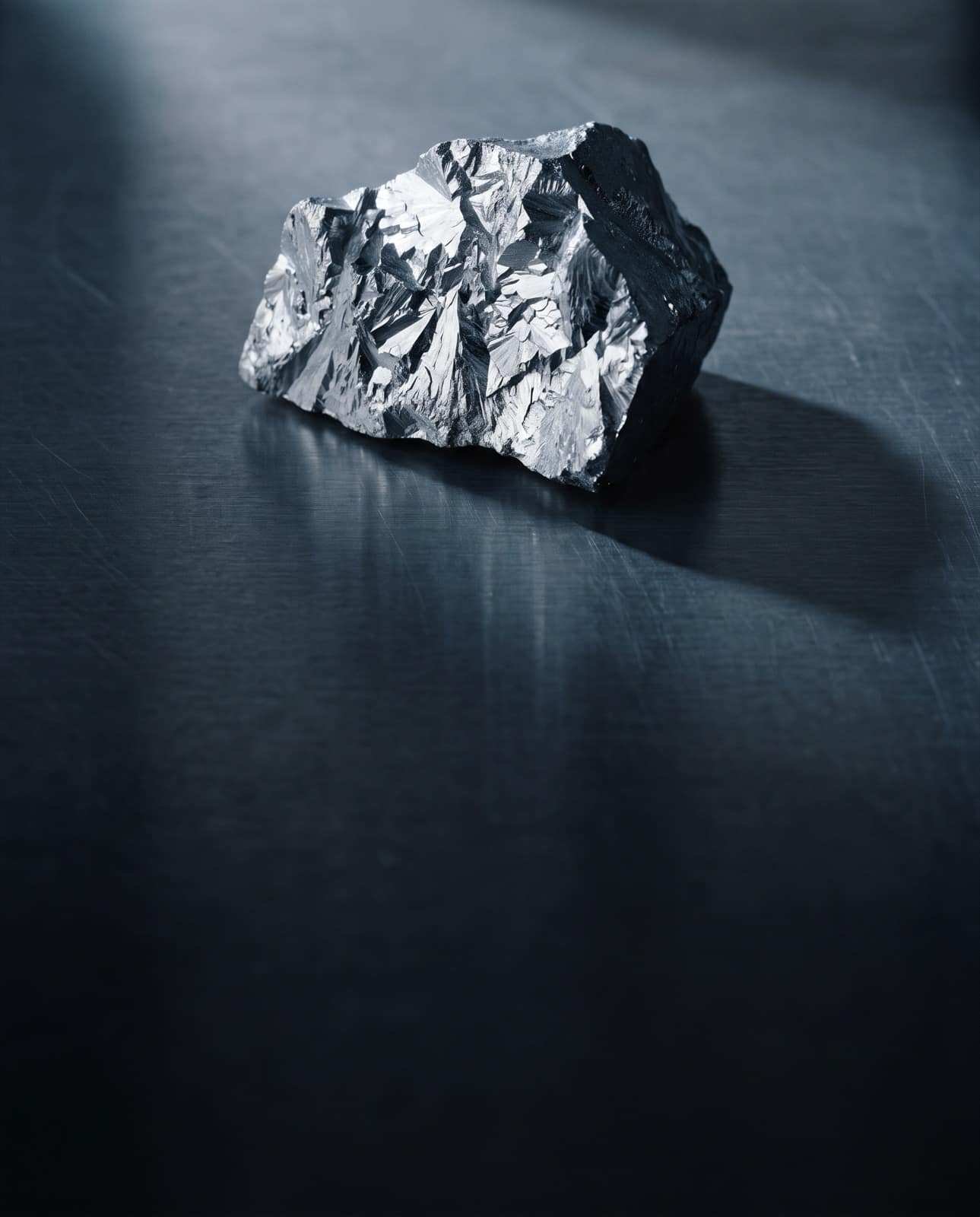
Critical minerals & metals — lead and antimony, produced and exported to specification.
London Arena manufactures lead and antimony products at its group production facilities and exports them to industrial buyers worldwide — with the quality control, compliance and logistics discipline that strategic materials demand.
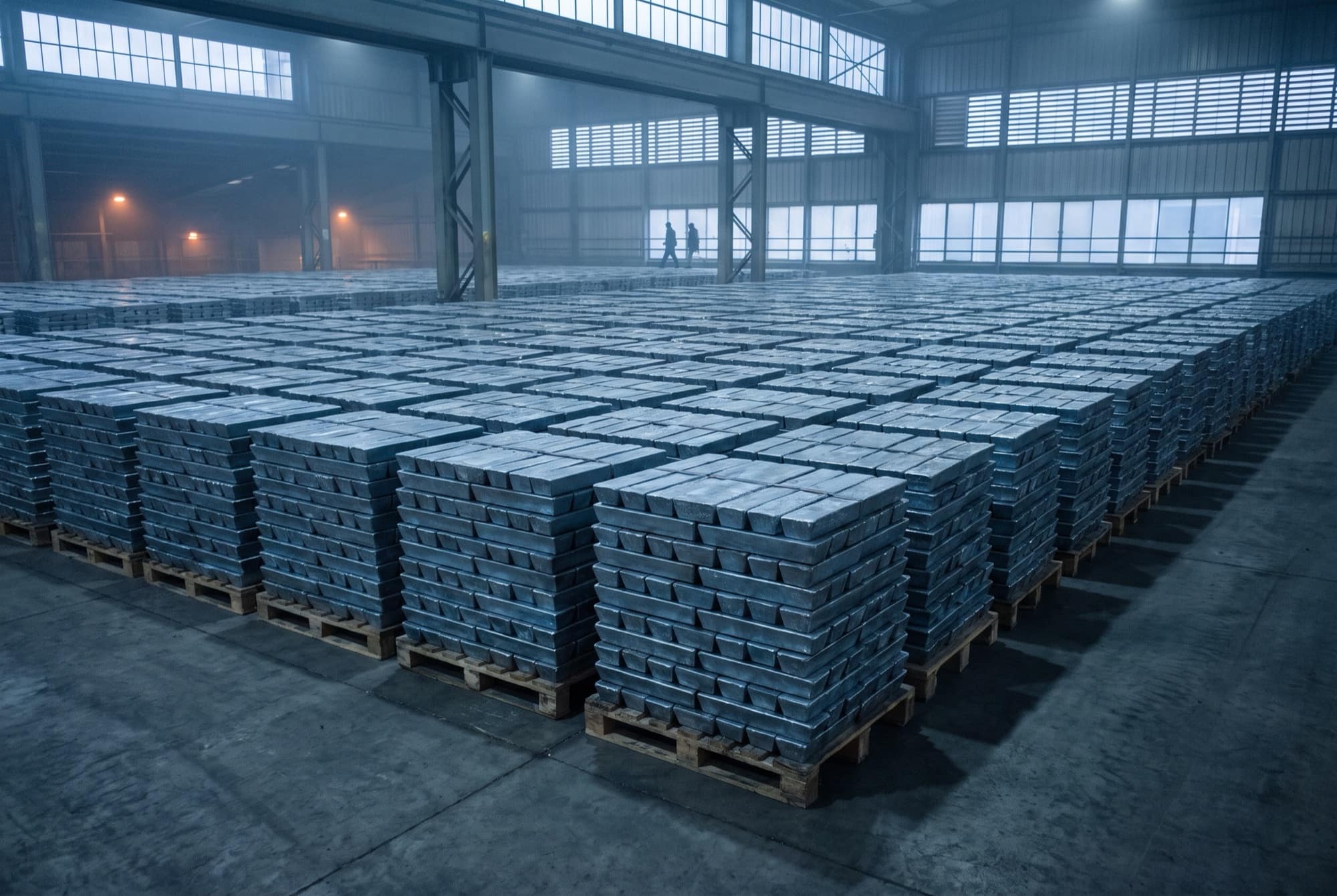
The scope of work in critical minerals & metals.
- Lead and antimony production at group facilities
- Export to industrial buyers in international markets
- Quality control, assay and specification management
- Long-term supply and offtake agreements
- Shipping, logistics and trade documentation
- Export-control, sanctions and chemical-safety compliance
The three roles London Arena takes.
Producer
Manufactures lead and antimony products at group production facilities, to the grade and form each buyer specifies.
Exporter
Runs export end to end — contracts, documentation, shipping and delivery to destination.
Supply partner
Secures long-term supply for industrial buyers and structures offtake around their production plans.
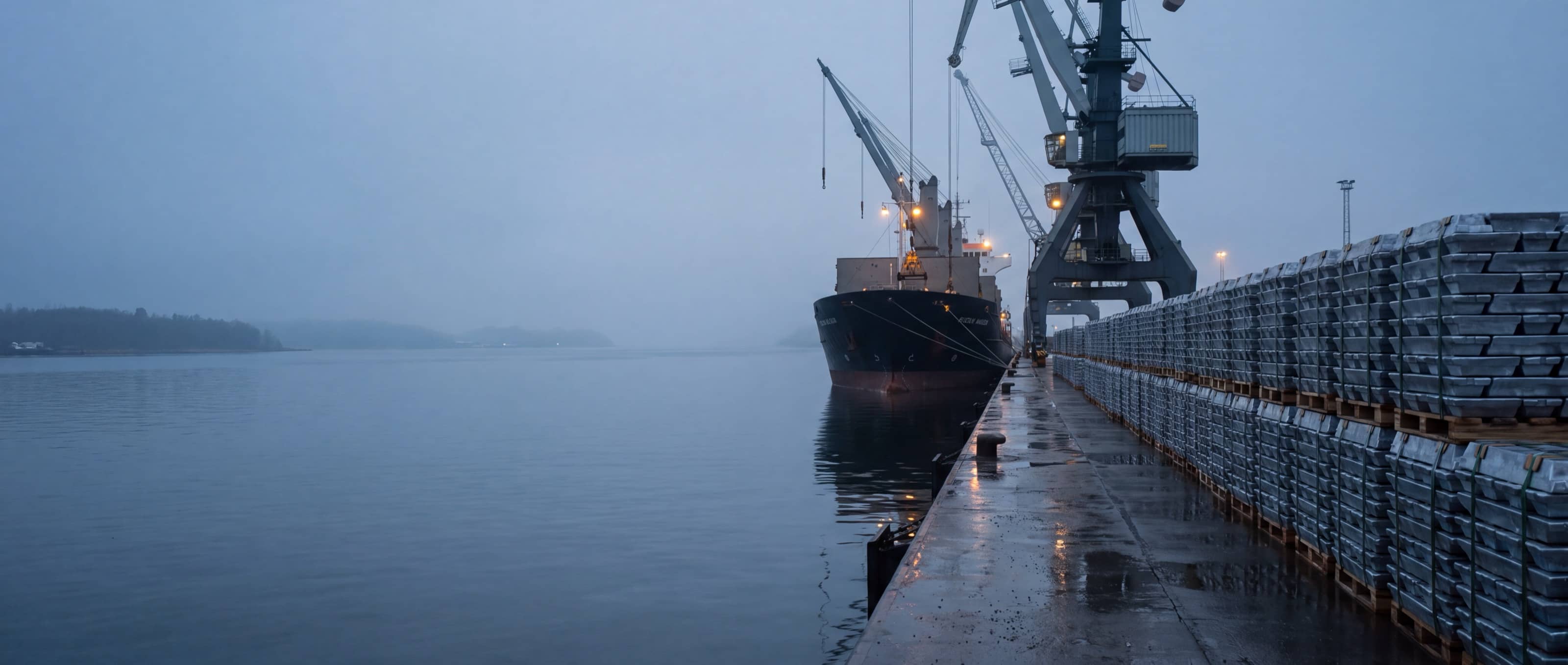
Materials the modern economy runs on.
Antimony appears on the critical-mineral lists of the European Union, the United Kingdom and the United States. Lead remains indispensable to energy storage and radiation protection.
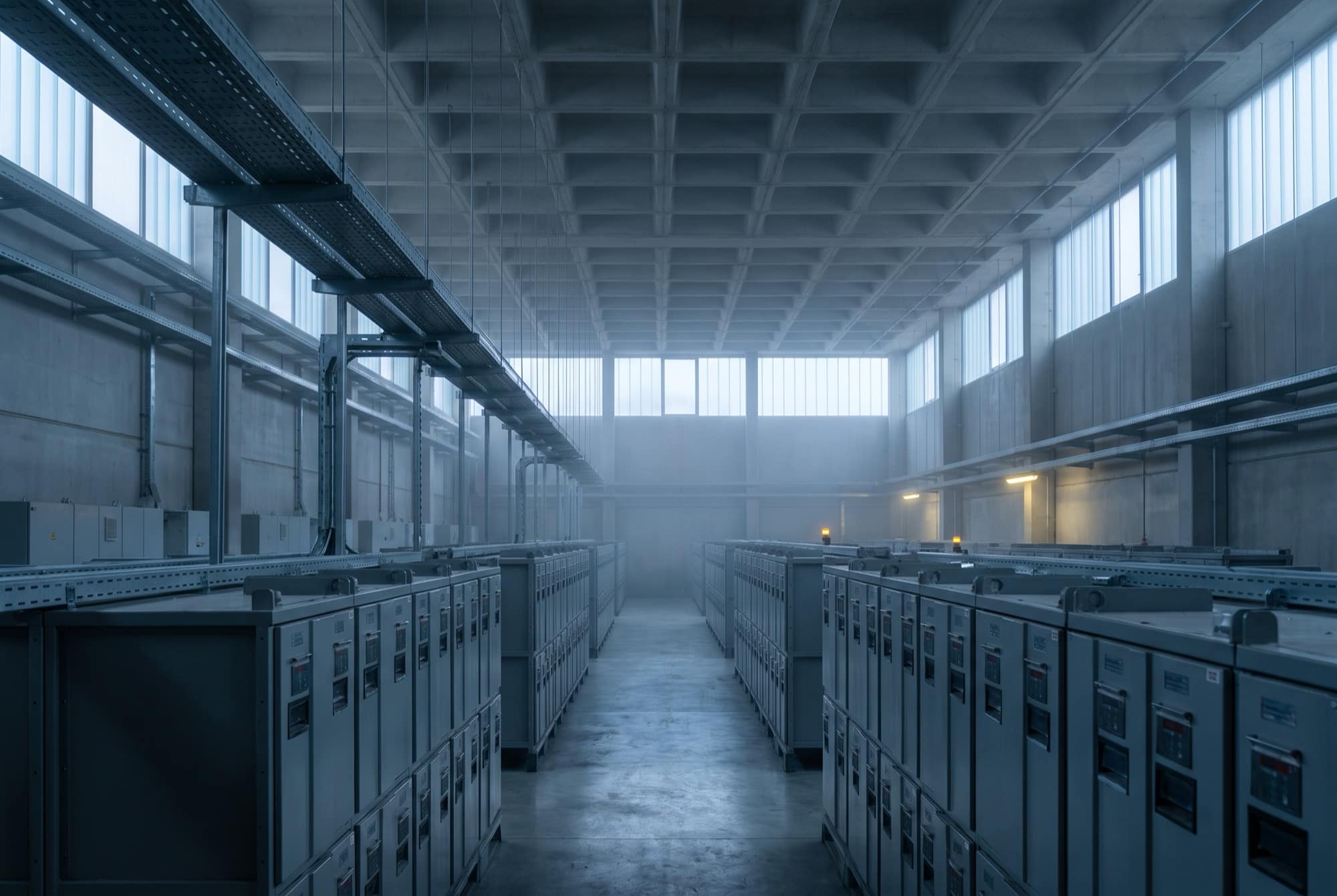
Energy storage
Lead-acid batteries still carry most automotive, standby and back-up storage; antimony strengthens the lead alloys inside them.
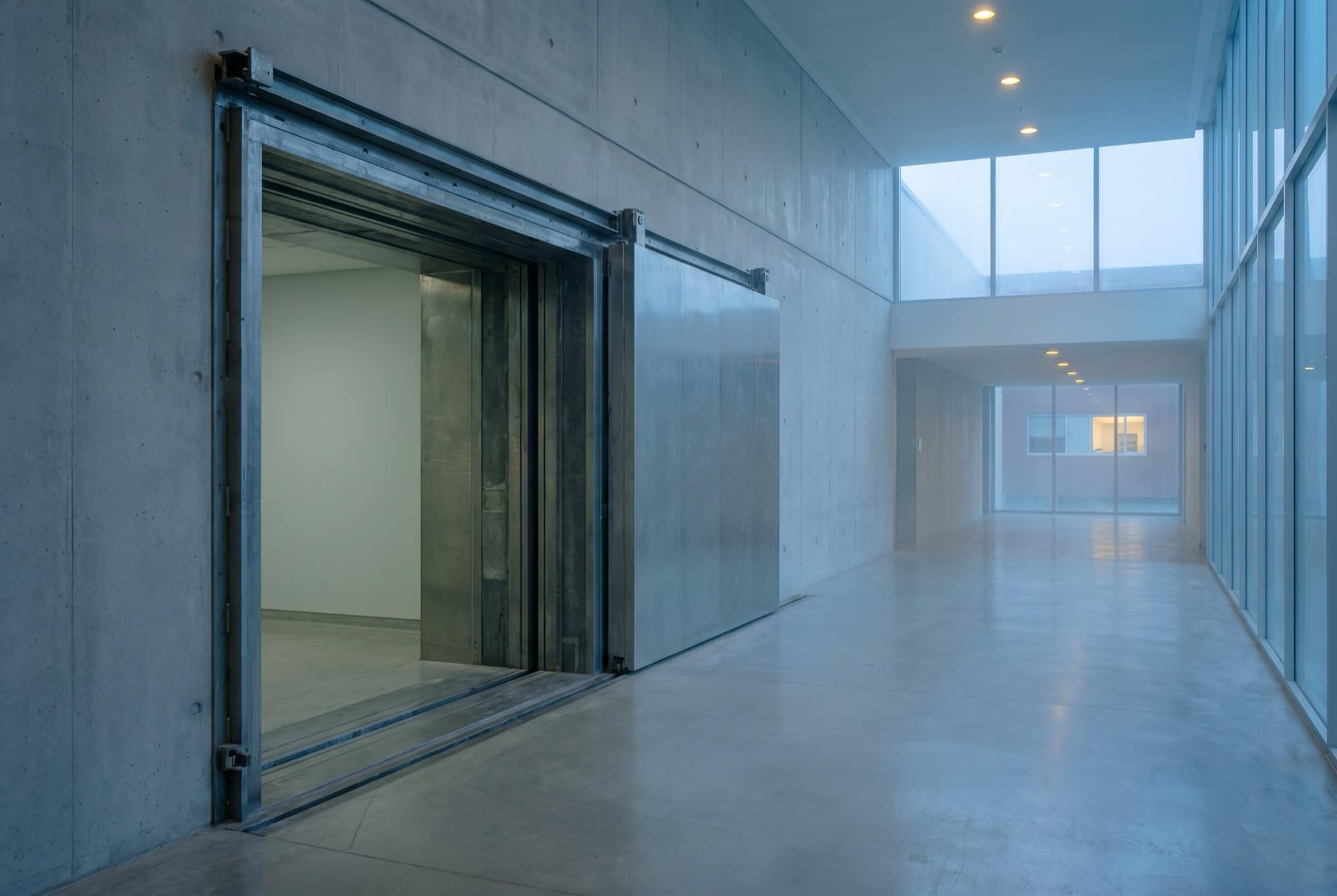
Radiation protection
Lead’s density makes it the standard material for shielding in medical, nuclear and industrial facilities.
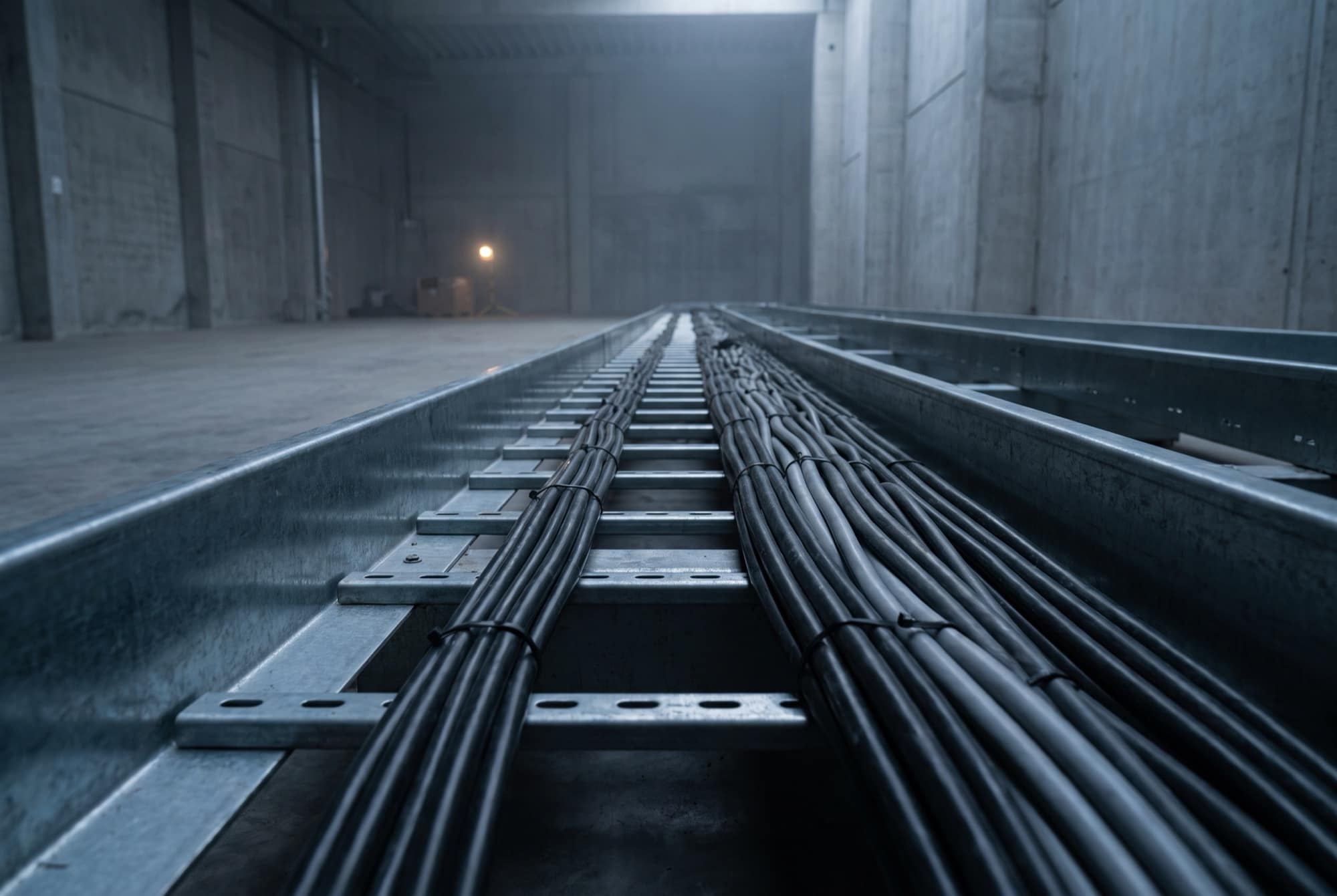
Fire safety
Antimony compounds are essential partners to flame retardants in plastics, textiles and cable insulation.
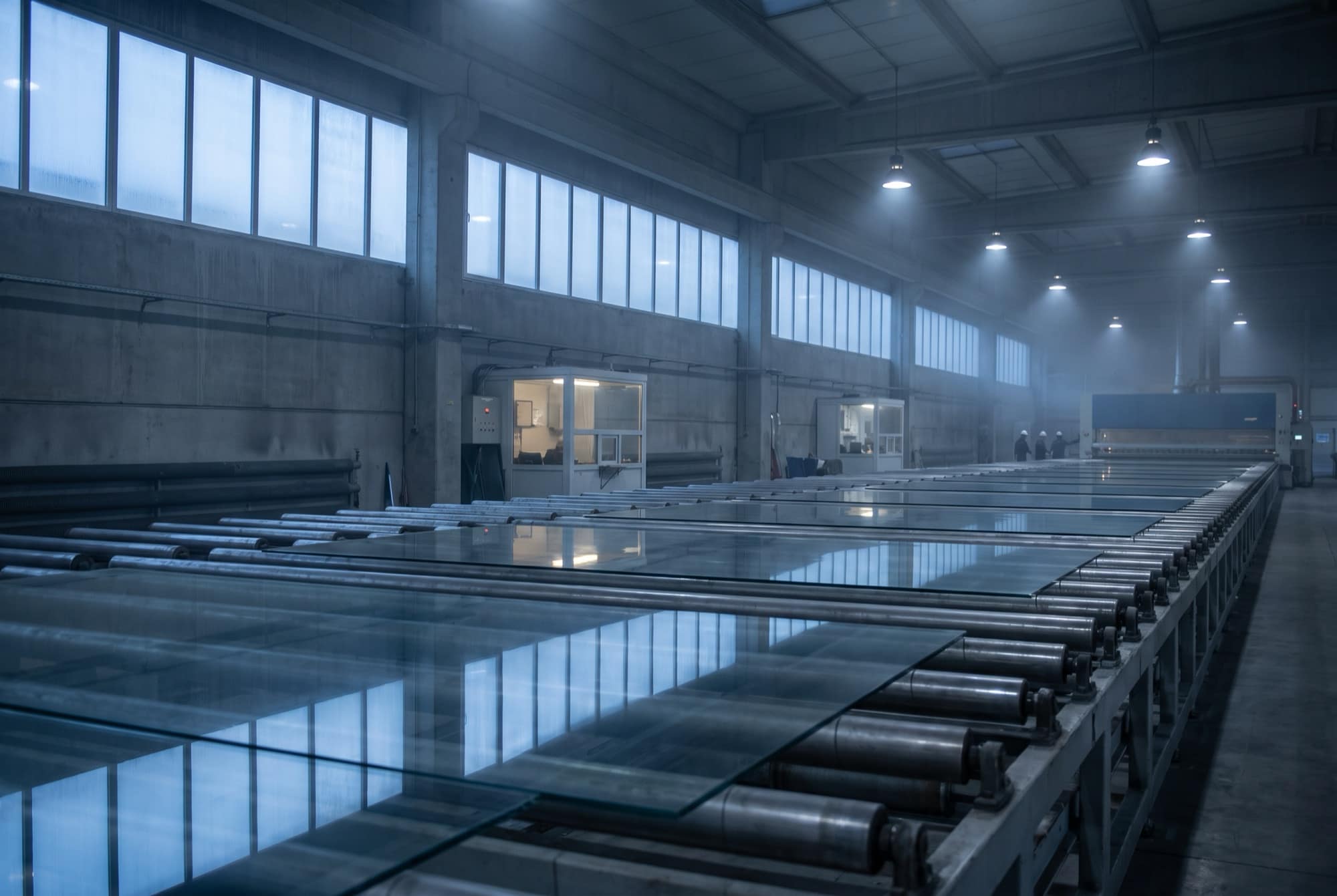
Glass and solar
Antimony is used to refine glass — including the glass that covers solar panels.
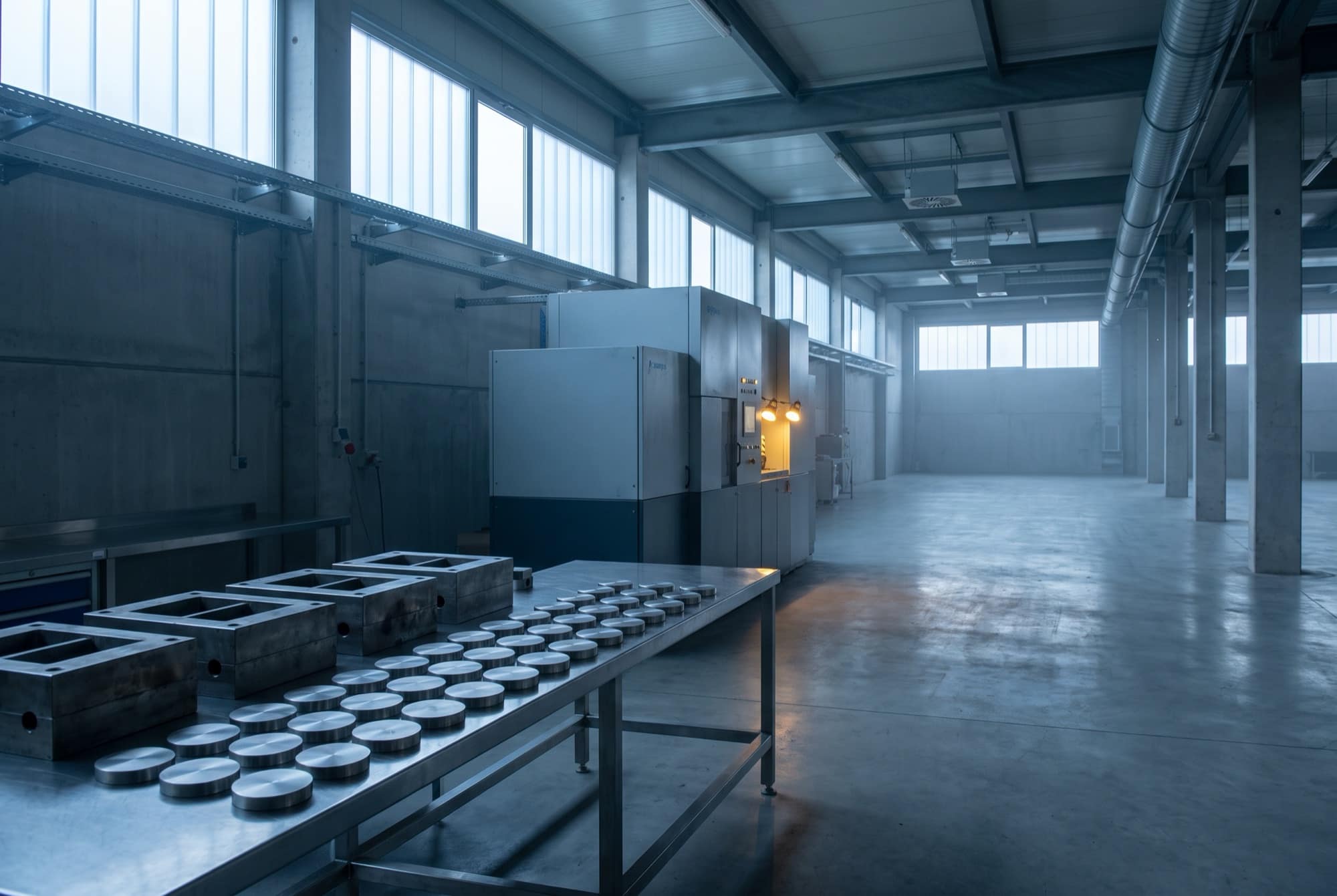
Quality you can assay. Compliance you can audit.
Lead and antimony move under some of the strictest product, trade and safety rules in industry. Every shipment is produced, tested and documented to the buyer’s specification and to the rules of the markets it crosses.
- Assay and certificates of analysis to the buyer’s specification
- Specification management by grade and form
- Export-control and sanctions screening of every counterparty
- Chemical-safety compliance for destination markets, including EU REACH
- Safe handling, packaging and transport of hazardous materials
Explore every sector.


 You are here
Critical Minerals & Metals
Lead and antimony — produced at group facilities and exported to industrial buyers worldwide.