


Sustainability is an investment arena, not a compliance cost.
Treated as a compliance cost, sustainability is a drag. Treated as an investment arena, it is where some of the most durable returns are now being structured.
For a long time, sustainability sat in the corporate report as a defensive line — something to be managed down. That framing is now out of date. Industrial water treatment, biogas, energy recovery and carbon reduction are not obligations bolted onto a project; they are projects, with their own structures, partners and returns.
From disclosure to structure
The shift is visible in how capital is raised. Lenders and investors now ask not only whether a project is sustainable, but how its outcomes are measured, who is accountable for them and what happens if they are missed. Those are structuring questions, and they are best answered in the documents rather than in a report written afterwards.
Water reuse, energy recovery and biogas each have their own revenue logic — avoided costs, offtake agreements, recovered resources — and their own risks. Treated as projects, they can be financed, partnered and managed like any other investment.
The same discipline throughout
London Arena treats sustainability as one of its investment arenas, not a disclosure exercise. That means the same discipline that applies everywhere else: measurable outcomes, named partners, third-party verification. What is managed is measured, and what is measured is disclosed.
Carbon is where that discipline is most visible. Through Carbon Arena, the company’s carbon management platform, businesses measure emissions at source, calculate them to international methodologies and report them in a form auditors recognise.
The firms that will do well here are the ones that stop asking what sustainability costs them and start asking how it is structured. That is an investment question — and it is the one London Arena is built to answer.
More perspectives.
1 October 2026 · 2 min read
CBAM’s definitive period: carbon is now part of the price.
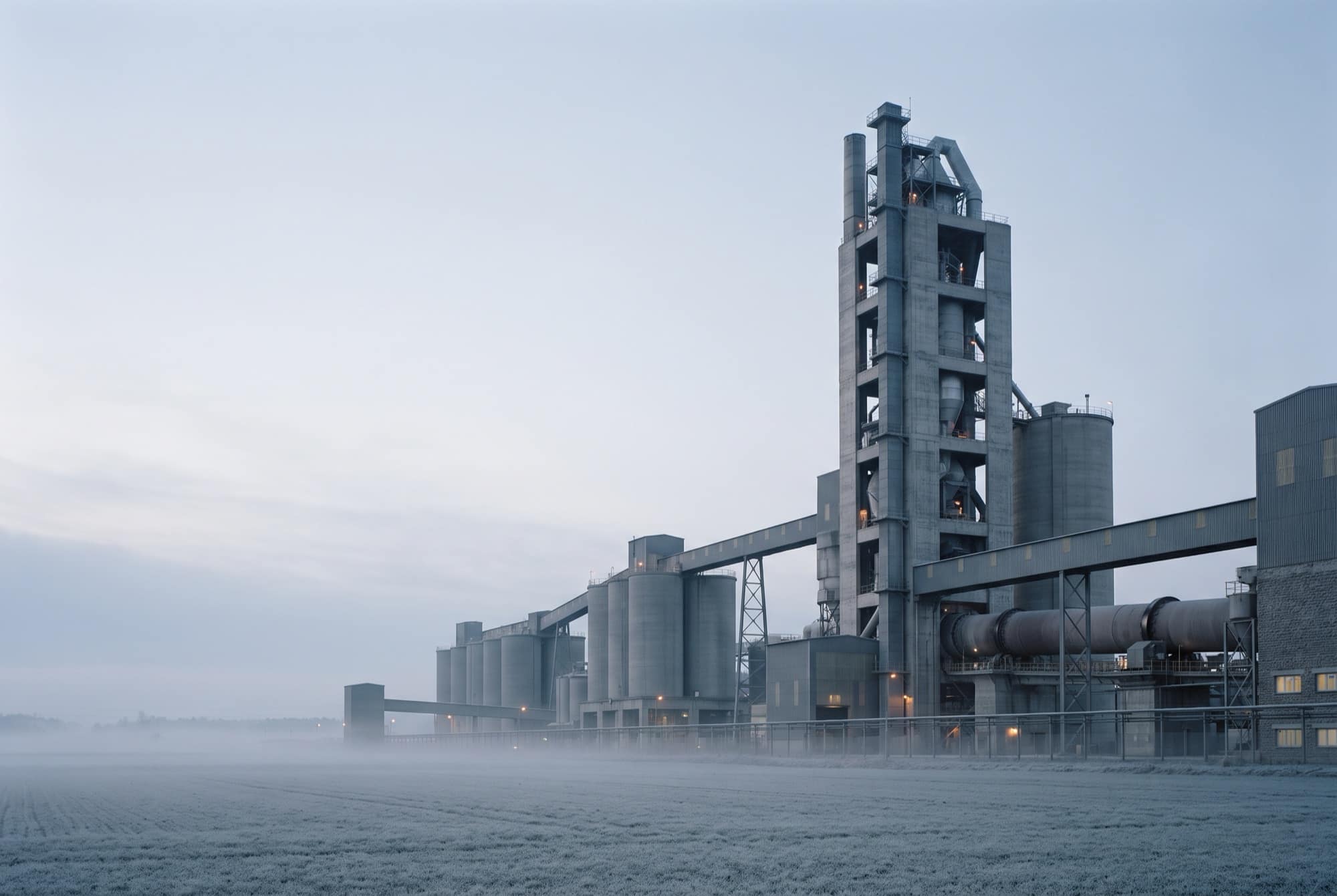
Since January 2026, the emissions embedded in steel, aluminium, cement and fertilisers entering the EU carry a cost. For exporters, the question is no longer whether to measure carbon, but how well.
Read
10 June 2026 · 2 min read
Coordination: the decisive capability in European infrastructure.
Capital and capability are both available. What decides outcomes is the discipline to make them work together across borders, regulators and supply chains.
Read
22 May 2026 · 2 min read
Structure before commitment.
Most projects are won or lost before the first commitment is made. Structuring is where risk is priced out — or quietly built in.
Read